For years, Indian esports has been heavily dependent on a few games. BGMI became the biggest esports title in the country. Free Fire had a huge community before its ban. VALORANT slowly built its own PC esports audience. But there was always one major problem: India did not have enough games with proper tournaments, professional organisations and international opportunities running at the same time.
In 2026, that started to change. BGMI continued to grow. Free Fire MAX made a serious comeback. Honor of Kings officially entered India. MOBA Legends 5v5 gave the Indian MOBA community another major competitive title. Indian organisations competed across several games at the Esports World Cup. Global Esports won VCT Pacific and reached VALORANT Champions. India also competed in multiple esports titles at the Asian Games.
For perhaps the first time, the biggest story in Indian esports was not about just one game. And that is why 2026 could be remembered as one of the most important years in Indian esports history.
BGMI Remains the Backbone of Indian Esports
You cannot talk about Indian esports in 2026 without starting with BGMI. KRAFTON continued to run one of the biggest esports ecosystems in the country through BGIS, BMPS, BMSD and BMIC, alongside other third-party competitions.
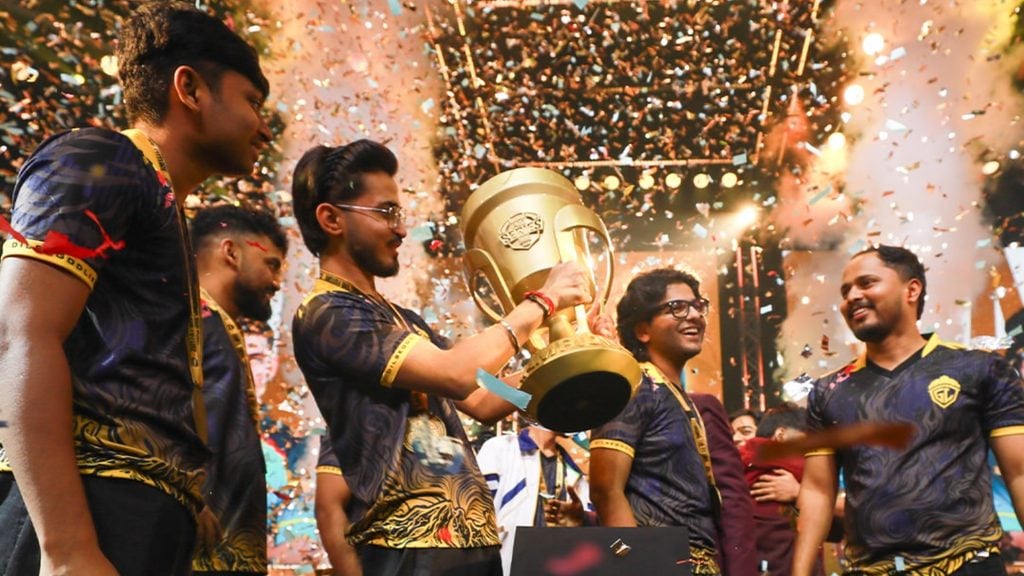
BGIS and BMPS came with a massive ₹4 crore prize pool respectively. BMSD is now running with ₹1 crore on the line.
But 2026 has not been only about prize money. International opportunities have become important again. Indian teams competed at the PUBG Mobile World Cup, while BMSD and BMIC are providing another road towards PMGC.
Free Fire MAX Made a Serious Comeback
If BGMI remained India’s biggest mobile esport, Free Fire MAX produced one of the biggest comeback stories of 2026. Garena has become much more aggressive with its Indian esports plans.
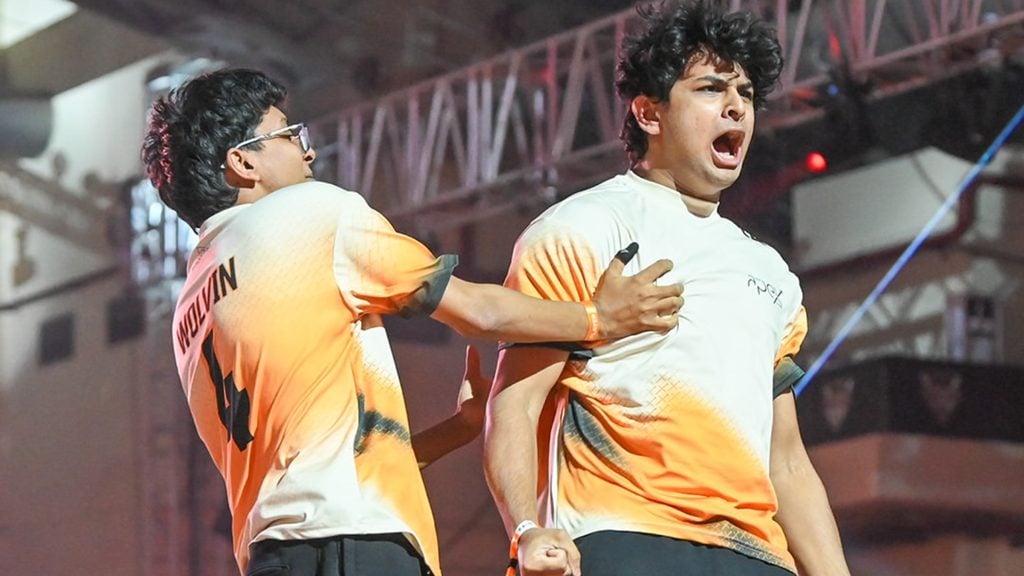
FFMIC gave Indian teams a domestic championship, while FFMAI gave them a chance to face teams from other Asian regions. Most importantly, international opportunities returned.
Team Apex Gaming, S8UL and Total Gaming represented India at the Free Fire World Cup 2026. Later, Apex Gaming, Resurrection Esports and TSG Pros secured India’s places at the FFWS 2026 Global Finals.
This has created a clear road for Indian Free Fire players. Perform in India. Qualify for Asian competitions. Then fight for a place at major global tournaments. After years of uncertainty, Free Fire esports in India feels alive again.
India Finally Started Building a Bigger MOBA Community
This may be one of the most important developments of 2026. Indian esports has traditionally been dominated by shooters and battle royale games. MOBAs never had the same mainstream competitive presence in the country. But 2026 brought major changes.
Honor of Kings Entered India
Honor of Kings officially launched in India on March 11, 2026. The publisher did not simply release the game and wait for a community to develop. It immediately started investing in esports and creators.
The KINGS’ Arise India City Tour brought offline competition to different cities, while major organisations such as S8UL and Revenant XSpark entered the game.
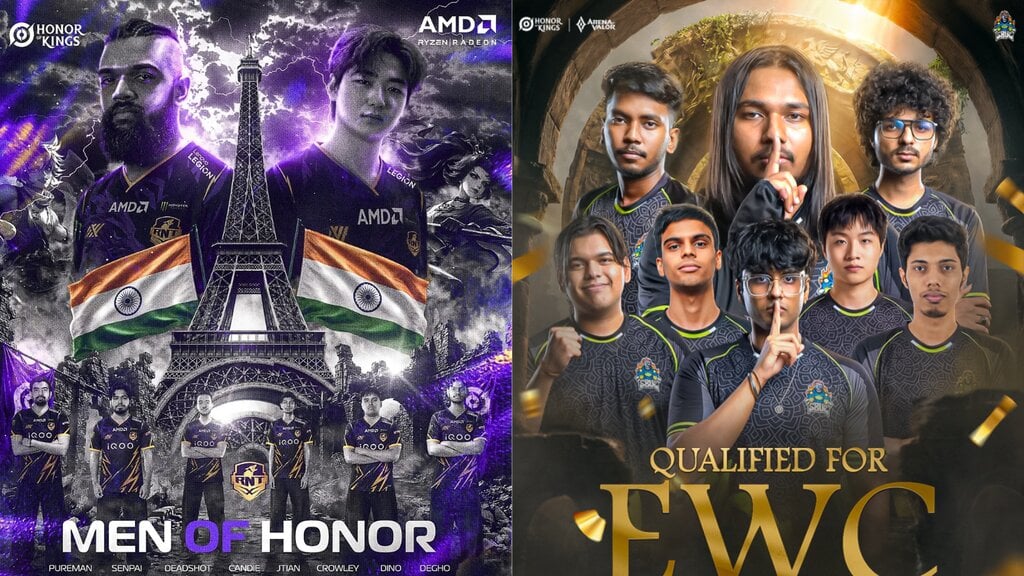
Then came an even bigger opportunity: a path to the Honor of Kings World Cup 2026. Indian teams were given slots to compete internationally, meaning a game that had only recently launched in India was already giving Indian players a global target.
That is important for building a new esport. Players need more than ranked matches. They need tournaments, organisations, prize money and a reason to believe that becoming a professional can take them somewhere. Honor of Kings started building that path in its first year.
MOBA Legends 5v5 Created Another International Route
Honor of Kings was not alone. MOBA Legends 5v5 also pushed into the Indian market with its own competitive ecosystem. Indian organisations including S8UL, GodLike, Revenant XSpark and others became involved in the scene.
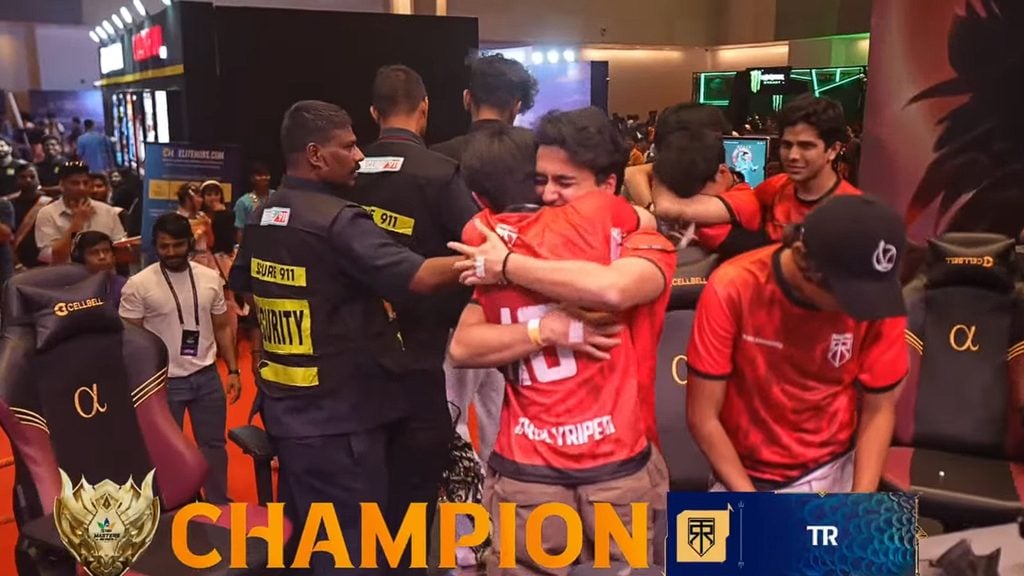
The ML Masters Series Season 1 became an important competition, with True Rippers winning the tournament and earning an international opportunity at the Mid Season Cup. Later, India Rising: MOBA Legends 5v5 provided another major domestic tournament.
Suddenly, India had two mobile MOBA ecosystems trying to grow at the same time. We still don’t know how large these communities will eventually become. They have a long way to go before reaching BGMI’s popularity.
But their existence matters. Indian esports needs successful games outside battle royale if it wants to become a stronger overall industry.
Global Esports Had a Historic VALORANT Season
Mobile esports was not the only reason 2026 became special. Global Esports produced one of the biggest international stories for an Indian esports organisation.
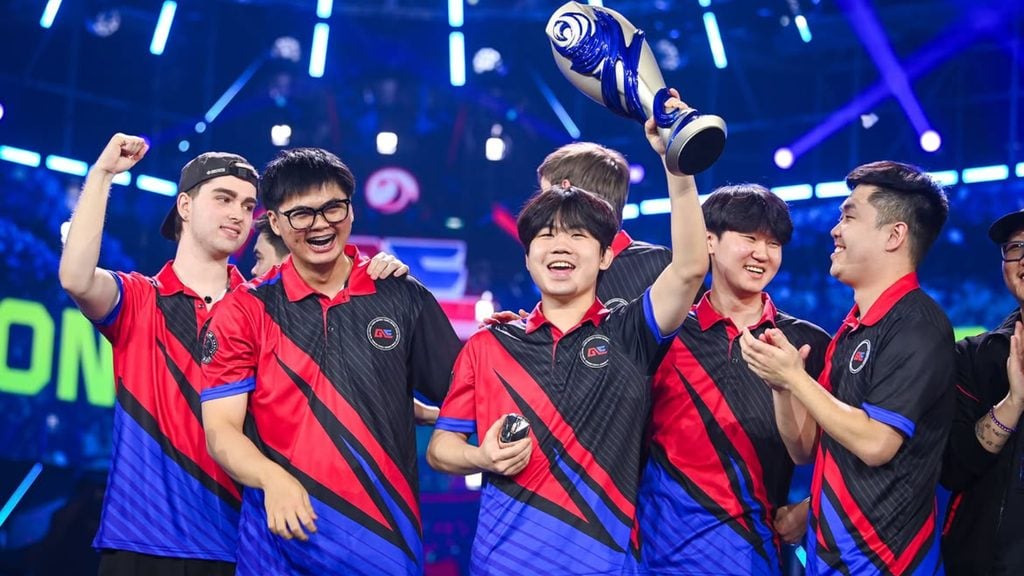
GE started the year with a disappointing seventh-eighth place finish at VCT Pacific Kickoff. But its season completely changed from there. Global Esports reached its first VALORANT Masters, eventually became VCT Pacific champion and qualified for VALORANT Champions for the first time.
That is important beyond Global Esports itself. India has spent years trying to establish itself inside Tier-1 PC esports. VALORANT provides one of the biggest opportunities because Global Esports is part of the VCT Pacific ecosystem.
In 2026, GE showed that an Indian organisation could do more than simply participate. It could actually win at the regional level and reach the biggest international stage.
Indian Organisations Are No Longer Thinking About Just One Game
This is another major difference between Indian esports today and a few years ago. Organisations are becoming much more diverse. S8UL expanded across numerous titles around the Esports World Cup. GodLike has competed across BGMI, Free Fire, Call of Duty Mobile and other games. Revenant XSpark has also expanded into multiple esports.
Indian organisations appeared across mobile games, PC titles, fighting games, racing games and other esports during the year.
That is important for the business side of esports. Depending completely on one game is risky. A game can lose popularity. A publisher can change its esports plans. A tournament circuit can disappear. If organisations build teams and communities across multiple games, the entire industry becomes less dependent on the success of one title.
Esports World Cup Gave Indian Organisations a Bigger Target
The growth of the Esports World Cup has also changed how Indian organisations think. Earlier, an organisation might build a roster simply to win India’s biggest tournament.
Now there is another question: Can this roster take us to the world stage?
Indian organisations and players were involved across several EWC titles in 2026, ranging from mobile esports to fighting games, PC games and other competitive titles.
S8UL and GodLike were also part of the EWC Club Partner Program. This encouraged Indian organisations to look beyond BGMI and Free Fire and invest in games where international opportunities exist. The result is a much more diverse esports ecosystem.
Call of Duty Mobile Continued Giving India an International Path
Call of Duty Mobile is sometimes forgotten when discussing Indian esports because it does not have the same domestic audience as BGMI. But it remained another important international pathway in 2026. India had its own regional competition connected to the Call of Duty Mobile World Championship, with teams fighting for international qualification.
GodLike has also remained one of India’s most recognised organisations in the title. Again, the important point is not whether COD Mobile becomes bigger than BGMI. It is that another group of Indian players has a game where they can compete professionally and potentially reach a world championship.
India Competed Across Multiple Games at the Asian Games
The 2026 Asian Games also showed how wide esports has become. India competed in eFootball, Puyo Puyo Champions, Pokémon UNITE and League of Legends. India eventually returned without an esports medal, so competitively there is still a huge gap to close. But look at the games themselves. Football, Puzzle, MOBA, League of Legends. These are completely different esports communities. It shows why Indian esports can no longer be discussed only through BGMI results.
2026 Was Not Perfect for Indian Esports
Calling 2026 an important year does not mean India suddenly became an esports powerhouse. There are still major problems. Indian teams need better international results.
New games like Honor of Kings and MOBA Legends still need to prove that they can build long-term audiences. Many organisations still depend heavily on content creators and BGMI. Tier-2 players need more opportunities. Coaching, analytics and esports infrastructure still have room to grow. And simply sending Indian teams to international tournaments is not enough. Eventually, those teams need to start winning them. But that is exactly why 2026 feels more like a starting point than a final achievement.
Indian Esports Is Finally Becoming Bigger Than One Game
That might be the biggest story of 2026.
- BGMI remains massive.
- Free Fire MAX is back.
- Honor of Kings has entered India.
- MOBA Legends 5v5 is building another community.
- Call of Duty Mobile continues to provide international opportunities.
- Indian players competed across different games at the Asian Games.
- The Esports World Cup has encouraged organisations to enter more titles.
- And Global Esports showed what an Indian organisation can achieve in VALORANT by winning VCT Pacific and reaching Champions.
None of these stories alone makes 2026 historic.
All of them happening in the same year does. For years, Indian esports needed more games, more publishers, more tournaments and more international opportunities. In 2026, we finally started seeing all of them at the same time.
That is why this year may eventually be remembered not as the year India became an esports powerhouse, but as the year Indian esports finally started becoming a proper multi-game ecosystem.